The Digital Product Passport: Everything You Need to Know by 2027 and How to Prepare
The European Union has introduced one of the key regulations that will shape the future of business across all industries — the Digital Product Passport (DPP). This regulation transforms how product data is tracked, documented, and communicated throughout the entire product lifecycle.
The goal of the DPP is clear: to ensure transparency, sustainability, and a circular economy through standardized digital information for every product placed on the EU market.
When Does the DPP Become Mandatory?
Although the preparatory phases are already underway, the mandatory implementation of the Digital Product Passport begins in 2027.
The first sectors to be included are:
Batteries and electronics
Textiles and apparel
Furniture
Packaging
Construction products
Over time, DPP requirements will expand to almost all product categories, meaning that timely preparation can be crucial for business competitiveness and compliance.
What Is the Digital Product Passport?
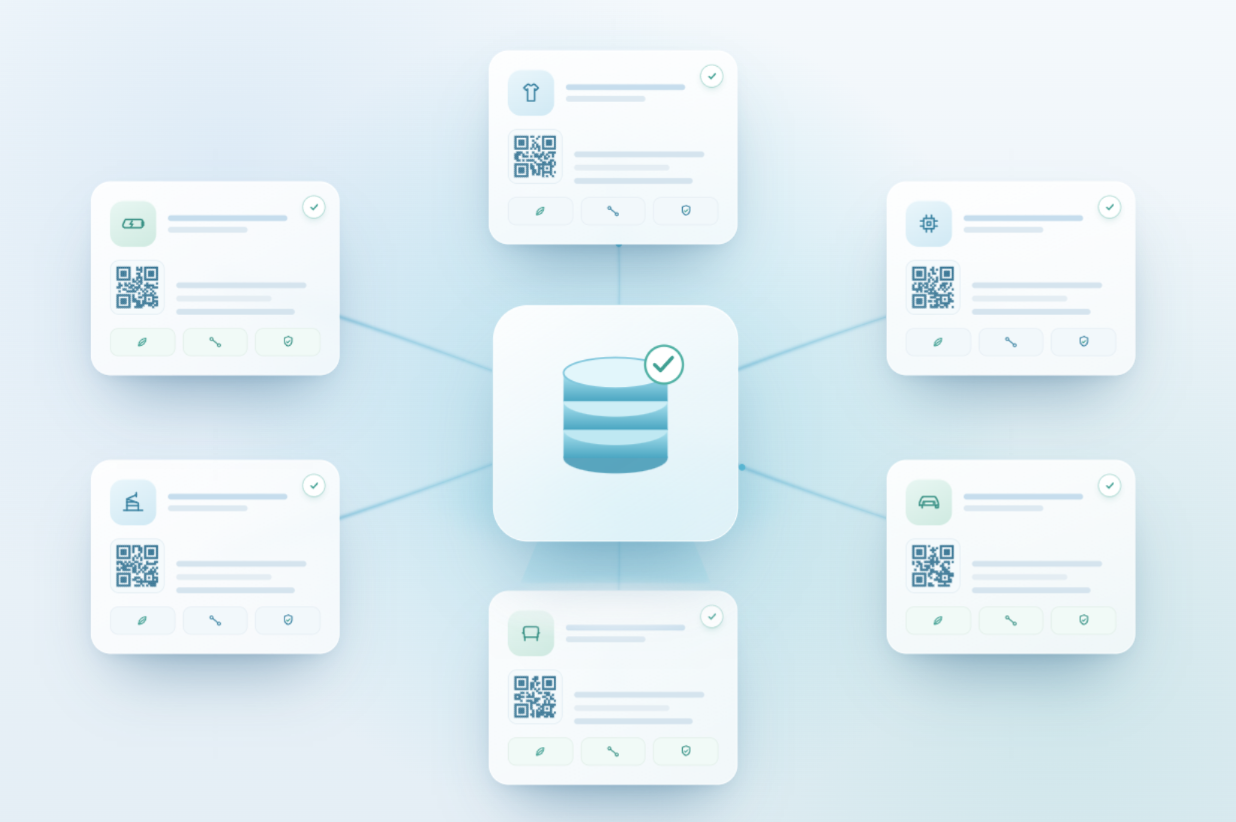
The Digital Product Passport (DPP) is a standardized digital record containing detailed information about a product — from its materials and manufacturing processes to data on maintenance, recycling, and end-of-life management.
The DPP is not just a regulatory tool. It introduces a new level of trust and transparency between manufacturers, retailers, and consumers.
Key elements of the DPP include:
A unique digital product identifier (e.g., QR code or NFC tag)
Data on composition, origin, and sustainability
Information on maintenance and repairs
Instructions for recycling and disposal
Secure access for consumers and regulators
Why Is the DPP Important for Businesses?
The Digital Product Passport is not just an administrative requirement — it offers tangible business benefits.
1. Compliance and Risk Reduction
Companies that prepare in time will avoid penalties and regulatory risks, while establishing transparent systems to demonstrate EU compliance.
2. Strengthening Trust and Brand Value
Consumers increasingly demand proven sustainability and transparency. The DPP enables verified product data, helping build trust and differentiate your brand.
3. Operational Efficiency
Through the digitalization of product data, the DPP supports supply chain optimization, reduces documentation costs, and improves control over materials and processes.
4. Opportunities for Innovation and Growth
Early DPP implementation opens doors to new markets, partnerships, and customer segments that value sustainability.
How to Prepare for the Digital Product Passport
Preparing for the DPP is not just a technological challenge — it requires organizational readiness as well.
Key steps include:
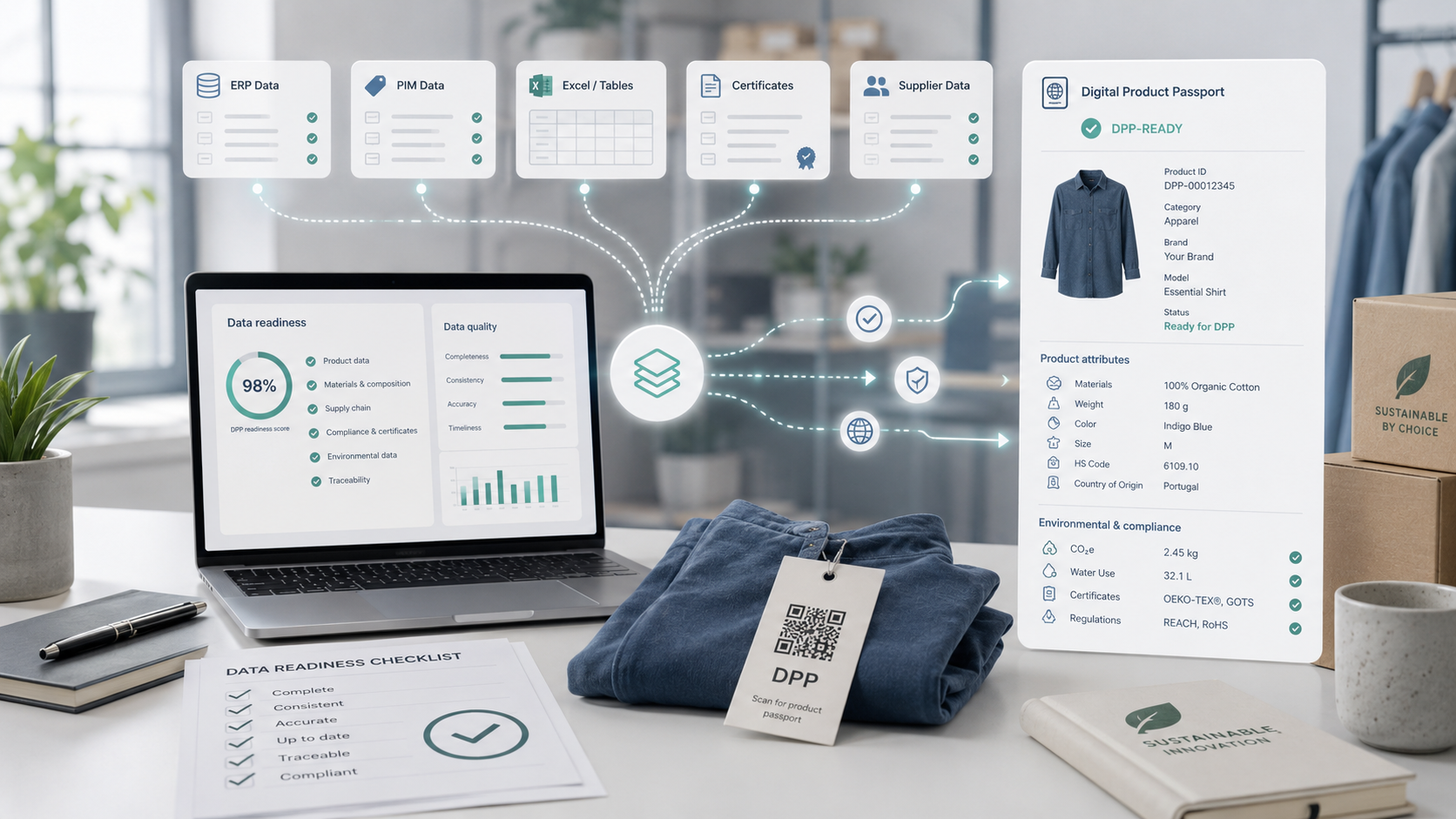
Readiness assessment – Analyze your current data, systems, and processes.
Material flow mapping – Understand the origin and movement of all product components.
Data standardization – Align internal systems with EU standards.
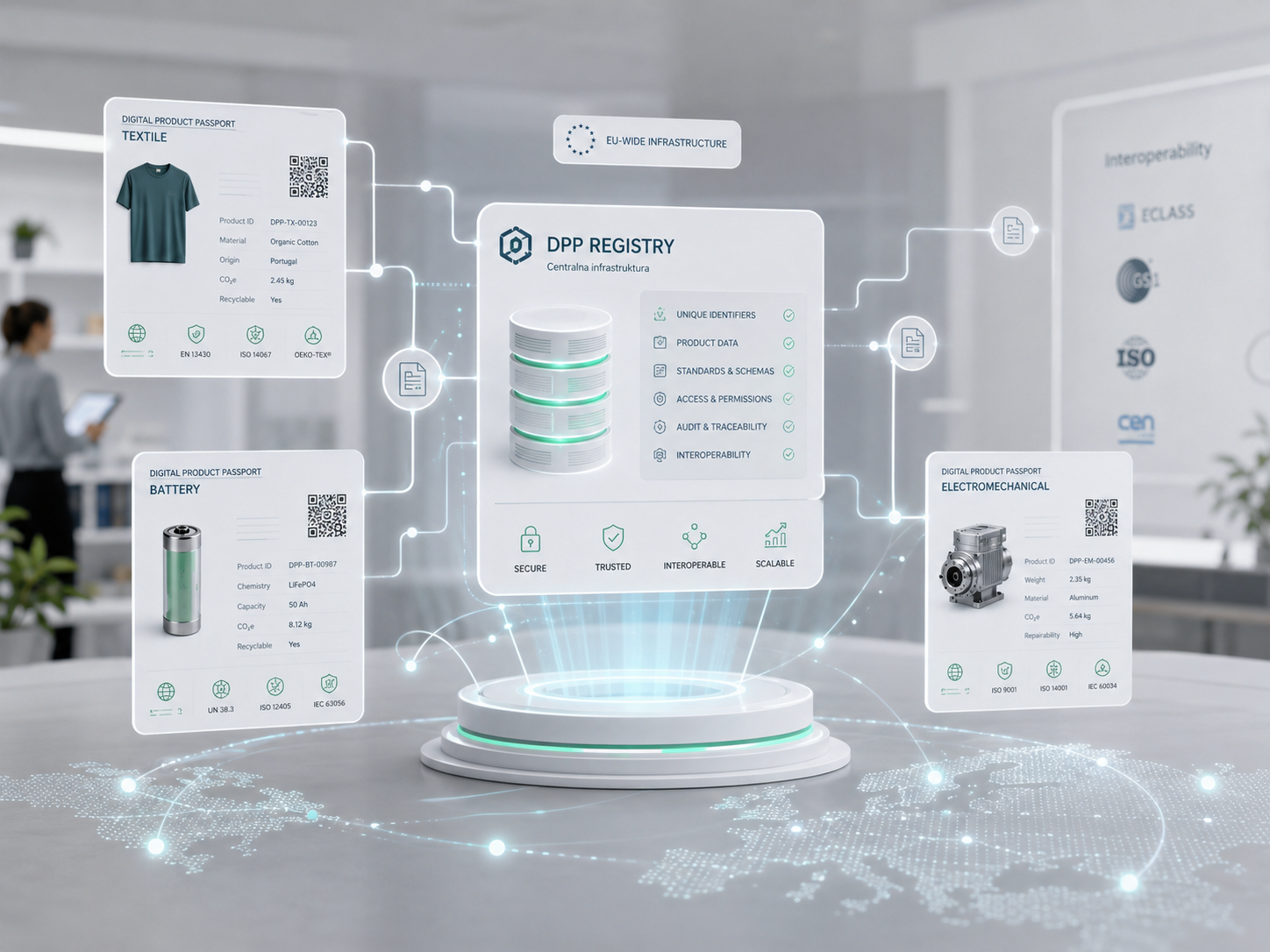
DPP solution selection – Choose a platform that enables data storage, sharing, and visualization.
Team training – Equip your employees with the knowledge needed for new requirements and workflows.
How NOS Helps Businesses Implement the DPP
At NOS, we don’t just follow regulatory developments — we help companies turn them into action.
Our approach combines strategic consulting and technological implementation, guiding businesses from regulatory awareness to operational readiness.
Consulting – Circular Economy Service
We prepare companies for DPP adoption by ensuring:
Data quality and integrity
Mapping of material flows
Standardization of production information
Defined internal responsibilities and staff training
DPP Software Solution
Once your data and processes are ready, we deliver technology that makes the DPP a reality —
from system implementation and ERP integration to scalable and interoperable solutions tailored to your business needs.
With this combined approach, NOS provides a complete end-to-end solution leading companies toward full DPP readiness and implementation.
The time to act is now — those who start early gain a lasting competitive advantage.
Conclusion: Stay Ahead of 2027
The Digital Product Passport ushers in a new era of transparency and accountability.
Companies that understand and implement the DPP on time will position themselves as leaders in sustainable and innovative business.
If you want to understand what the DPP means for your company and how to prepare effectively — contact us for individual consulting.
Email us at info@nos.hr