
The Digital Product Passport is not just a QR code: what companies need to know before their first implementation
The Digital Product Passport, or DPP, is increasingly being mentioned in the context of new EU requirements, sustainability, traceability and the circular economy. However, many companies are still unsure what DPP actually means in practice.
Is it just a QR code?
Is it enough to publish the data on a website?
Who creates the passport?
Who is responsible for the accuracy of the data?
And should companies wait until the regulation is fully finalised?
The answer is simple: DPP is not just a technical addition to a product. It is a digital product record that connects relevant product data with end users, business partners and, in the future, competent authorities.
DPP is not the same as an ordinary website
One of the most common misconceptions is that the Digital Product Passport is the same as publishing information on a website.
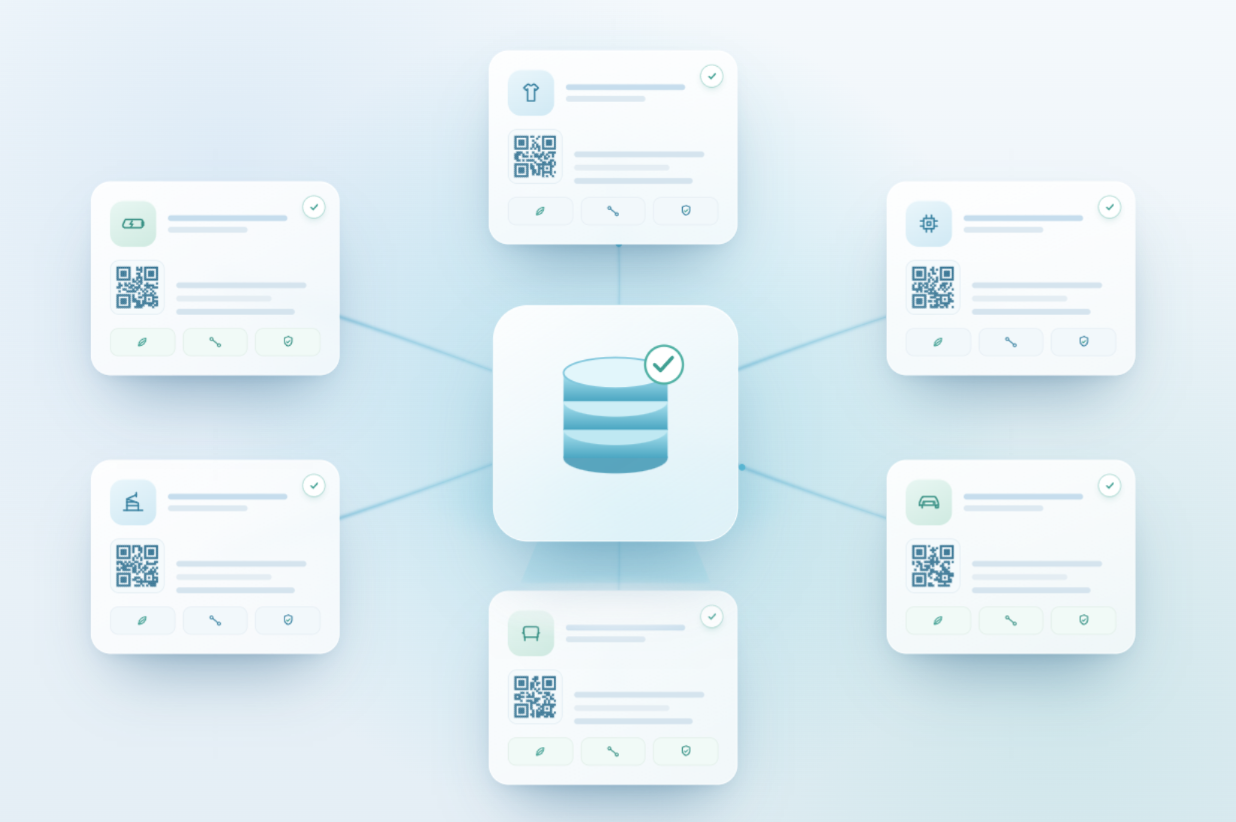
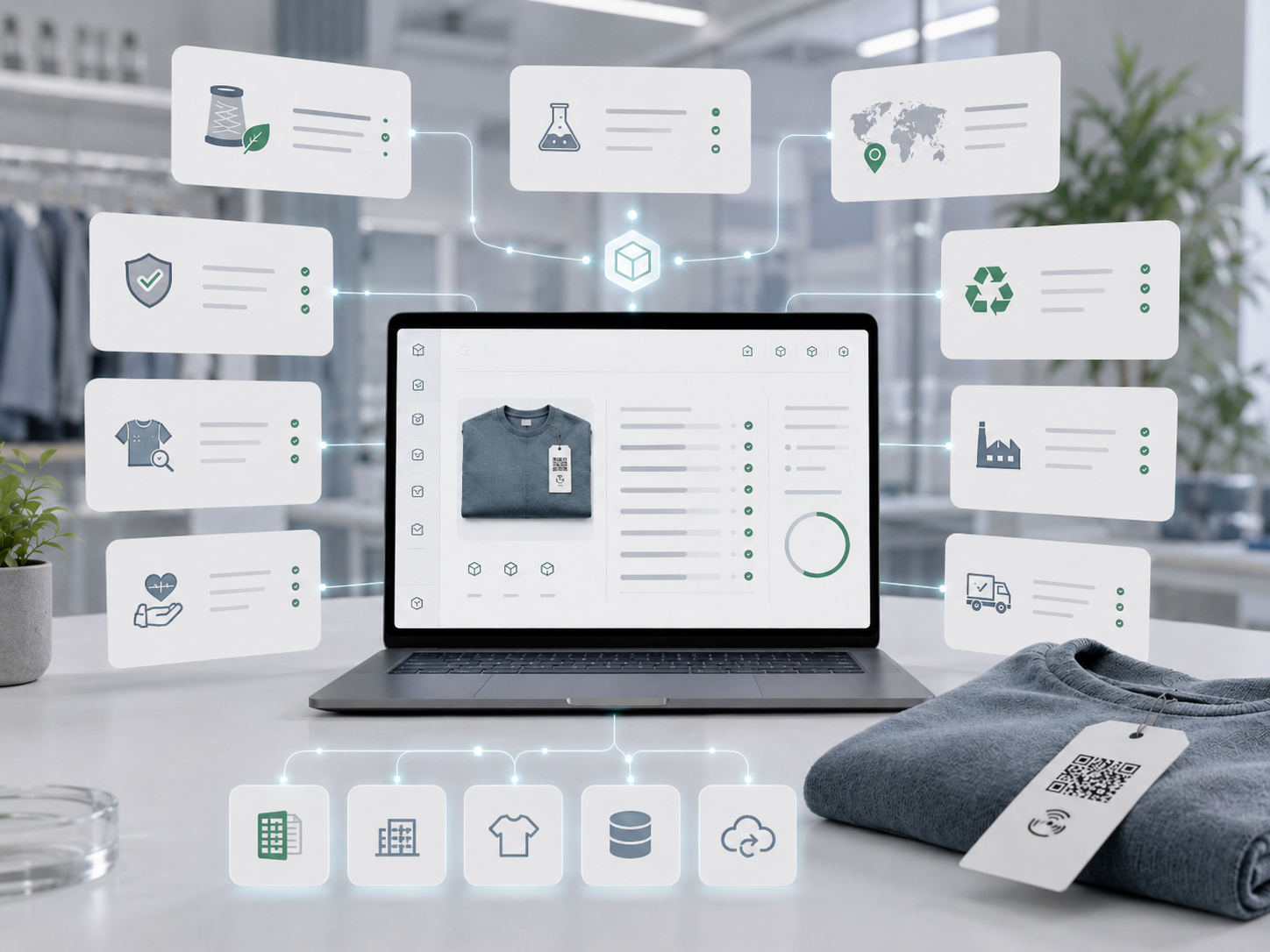
A company can, of course, publish technical specifications, certificates, maintenance instructions or information about materials on its website. However, DPP is designed as a structured digital record linked to a specific product or group of products through a unique identifier, most commonly a QR code or NFC tag.
The QR code is not the passport itself. It is the access point. When a user scans it, the digital product record opens, containing the relevant information.
The difference is important: an ordinary website most often displays general information, while DPP should be linked to a product, up to date, organised and ready for future regulatory requirements.
Why is DPP being introduced?
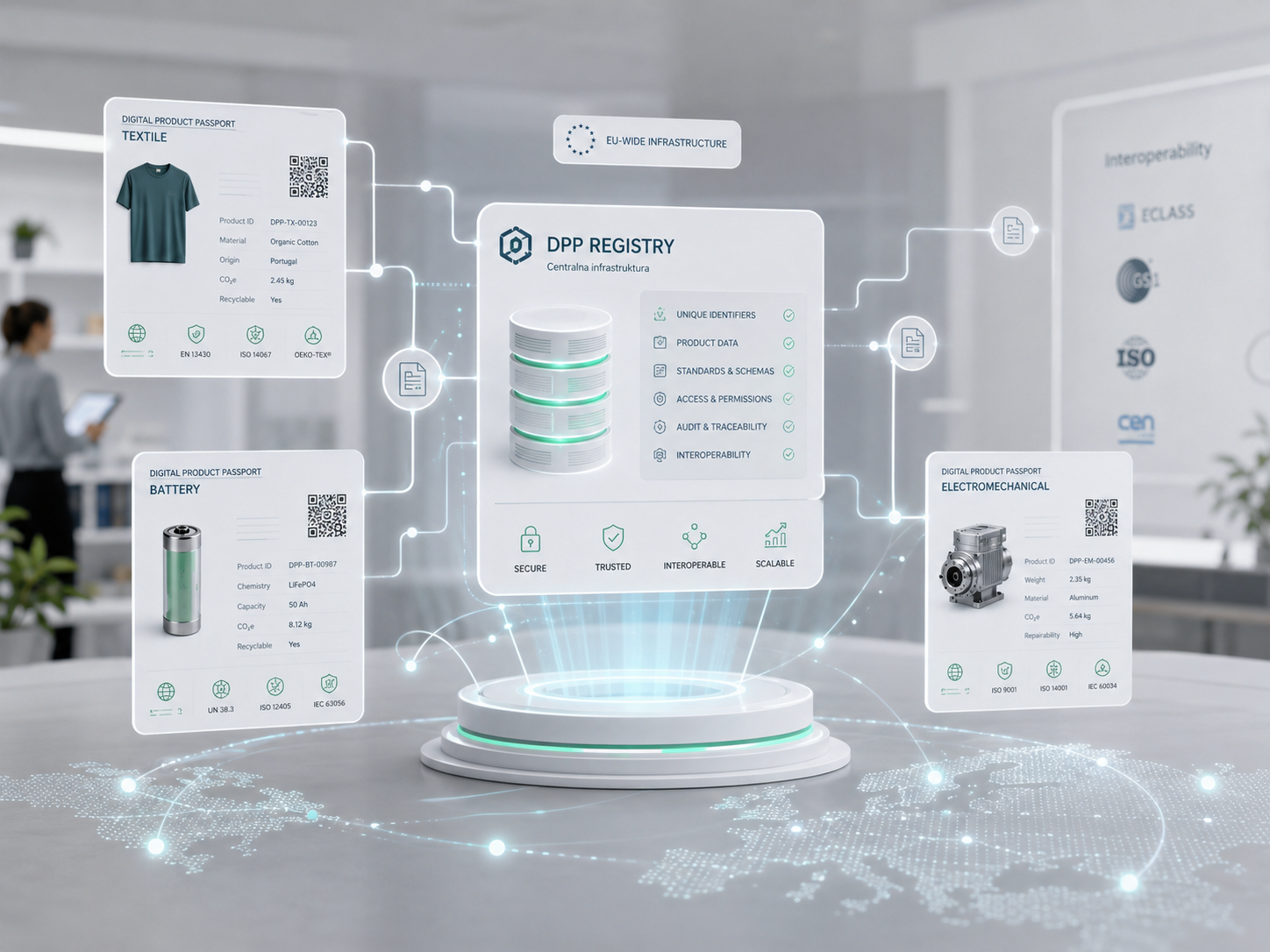
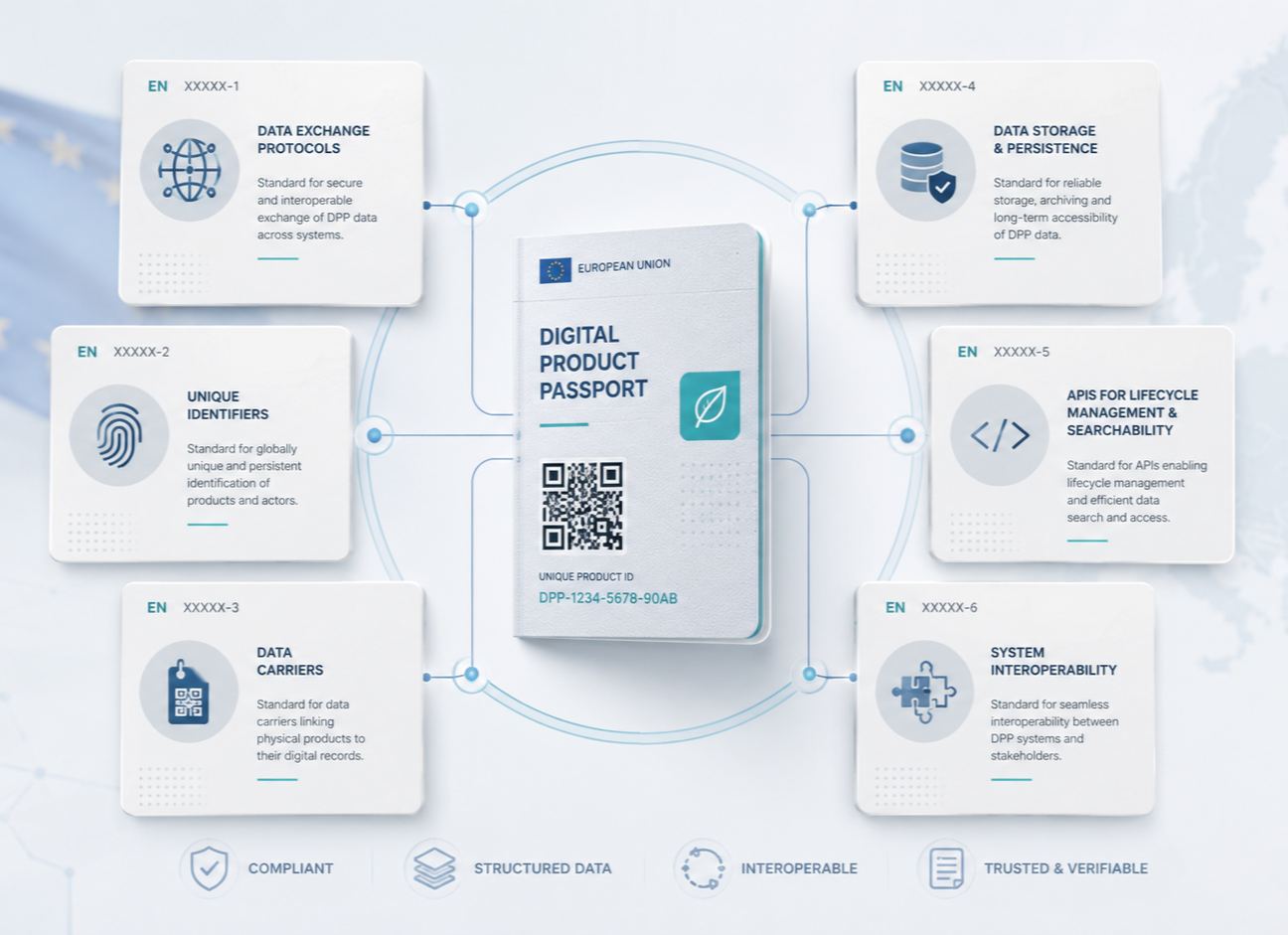
Through the Ecodesign for Sustainable Products Regulation, or ESPR, the European Union aims to increase product transparency, improve data availability and encourage the circular economy. DPP is one of the key tools of this approach because it enables access to product information throughout its lifecycle. The European Commission states that DPP should support the availability of product, sustainability and circularity data in digital form.
According to the European Commission’s work plan for the period 2025–2030, textiles, especially clothing, are among the priority product groups for future requirements under ESPR. Preparatory work for certain product groups, including textiles, has already begun.
This does not mean that all details for textiles have already been finally defined. The final requirements will depend on delegated acts and technical standards for individual product categories. However, the direction is clear: companies will need to have better control over product data, materials, composition, certificates, origin, maintenance, durability, repairability, reuse and recycling.
Who is responsible for the data in the DPP?
It is important to clearly understand one thing: the DPP application does not “invent” product data.
The product owner, manufacturer or responsible economic operator remains responsible for the content, accuracy and updating of the data. This is data that the company already has or needs to collect from its own documentation, technical specifications, certificates, testing, supply chain or existing business systems.
The DPP application serves as a technical platform through which this data can be entered, maintained and displayed.
In other words: the client owns the data, and the DPP solution enables that data to become available through the Digital Product Passport.
Why not wait for the final regulation?
A common question is: why start now if all the details are not yet known?
Because DPP is not just a regulatory project. It is also a data management project.
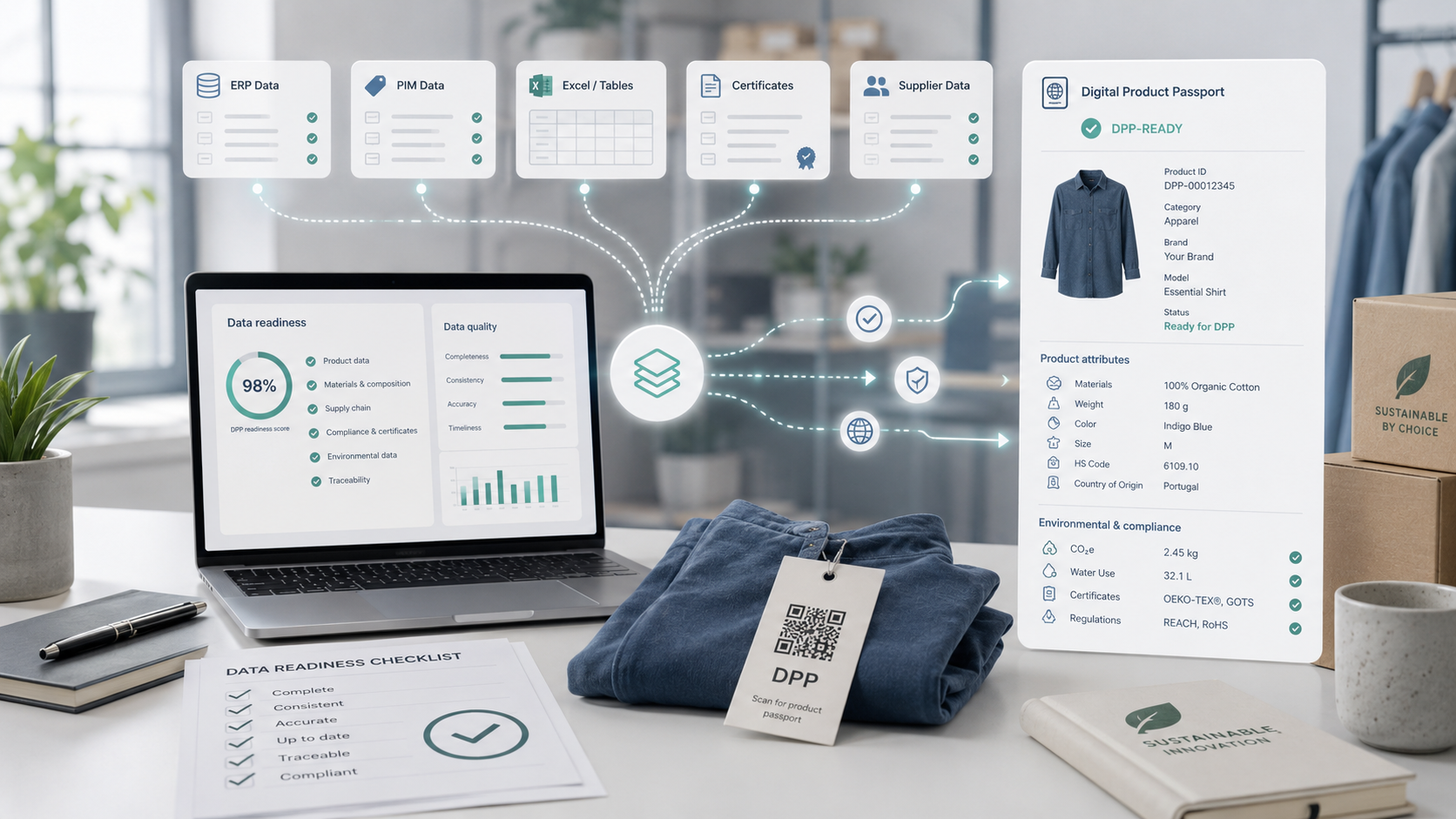
Companies that start preparing earlier can identify in time where their data is located, what they already have, what is missing, which data is in Excel, which is in ERP, which is in documentation, and which may depend on external partners.
Such preparation reduces pressure once the requirements become concrete. Instead of introducing DPP at the last minute, a company can start with a pilot project, test the data display and prepare its internal process.
CIRPASS-2 is already carrying out lighthouse pilots in real-life conditions and across multiple value chains, including textiles, electrical and electronic equipment, construction products and tyres. This shows that DPP is no longer seen only as a future obligation, but as a system that is actively being tested in practice.
How does the NOS DPP application help?
The NOS DPP application enables companies to manage, maintain and display product data through a Digital Product Passport.
The client remains the owner of the data and is responsible for its content, accuracy and updating. NOS provides the technical platform, hosting, admin access, training and user support.
Data can be entered manually, imported via an Excel file or connected to existing systems, depending on the client’s way of working.
Each product can have its own digital record accessible via QR code or NFC. The application can be used on the client’s domain or on the NOS application domain, depending on the agreed implementation model.
The goal is not to make business operations more complicated, but to give companies a simple and practical way to start preparing for DPP.
First step: pilot project
For most companies, the best starting point is not a large implementation across the entire product range, but a pilot on one product, material or category.
A pilot makes it possible to test:
which data already exists,
what format it is in,
how it can be entered or imported most easily,
what the Digital Product Passport looks like,
how the QR code is used in practice,
what needs to be further prepared before wider implementation.
This approach is simpler, faster and safer. The company gets a concrete picture of what DPP means for its product, without a large initial burden.
Conclusion
The Digital Product Passport is not just a QR code and it is not just a website. It is a new way of organising, displaying and sharing product data.
Companies that already have technical specifications, certificates, testing, Excel files or product documentation have a good foundation for their first DPP pilot.
There is no need to wait until the last moment. Data preparation, process testing and understanding your own readiness can be a major advantage once the requirements become mandatory.
Ready to see what DPP could look like for your product?
If you would like to find out what a Digital Product Passport could look like for your product, material or product category, contact us for a short introductory meeting or a demo of the NOS DPP application.
NOS can help you set up the DPP application, enable data entry and display, generate access via QR code or NFC, and prepare the first pilot project on a real product.
Contact us at: