
How Long Does Digital Product Passport Implementation Take and How to Prepare on Time
As 2027 approaches, more and more companies are asking the same question: how long does Digital Product Passport (DPP) implementation actually take, and what is required to ensure timely compliance with regulations?
Although DPP is often perceived as a complex and long-term project, the reality is quite different — with the right approach, implementation can be fast, structured, and adapted to the specific needs of each company.
The key is not the technology itself, but how the organisation prepares for managing product data.
DPP Implementation: From Complexity to Practical Application
A Digital Product Passport represents a digital record that follows a product throughout its entire lifecycle — from production to recycling. In order for this record to be accurate and compliant with regulations, it is necessary to ensure high-quality and structured data.
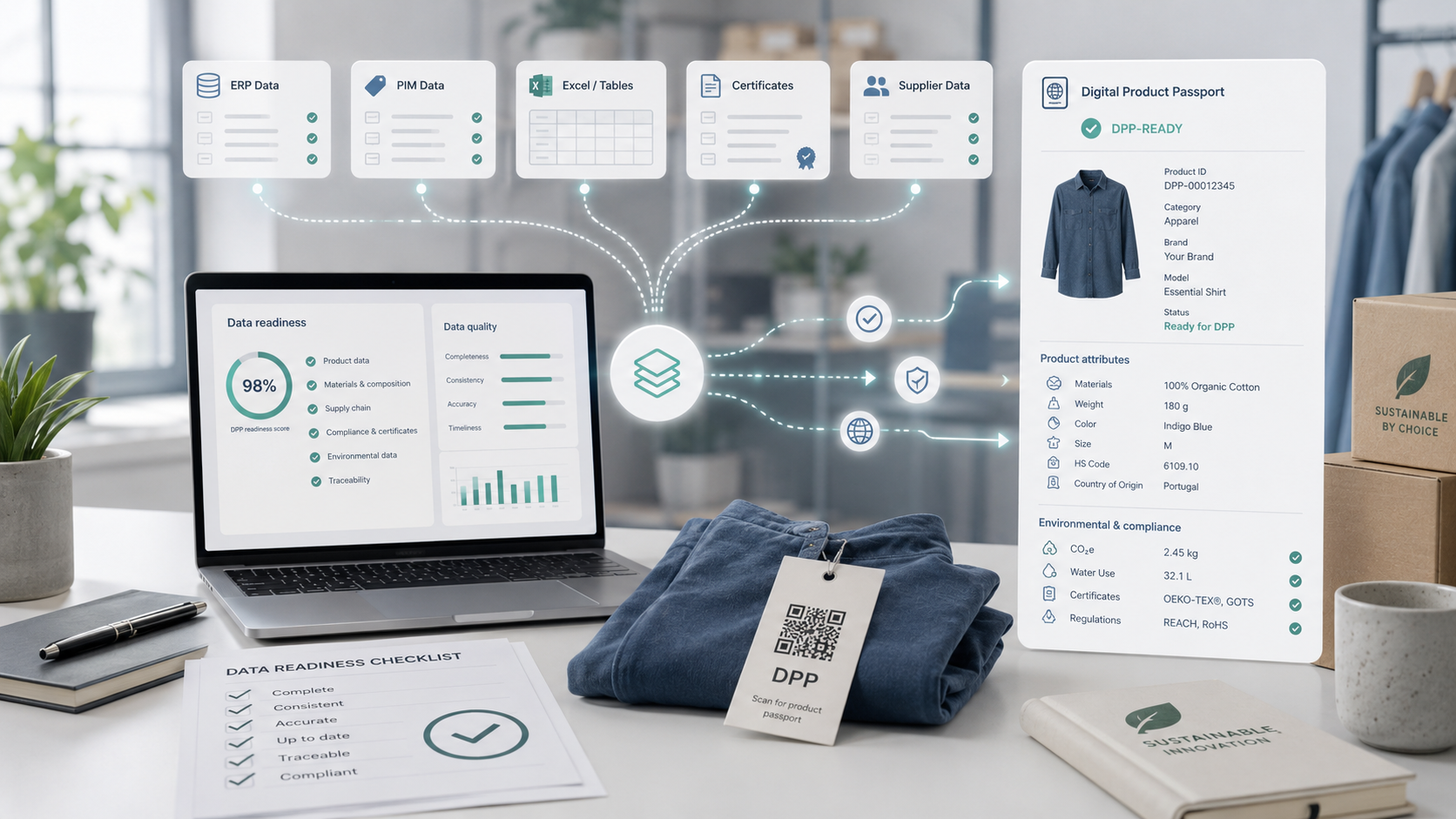
However, the good news for companies is that most of this data already exists within the organisation — in ERP systems, technical documentation, Excel spreadsheets, or with suppliers.
DPP implementation therefore does not mean starting from scratch, but rather connecting and organising existing information into a single system.
Key Implementation Steps
Regardless of the industry or company size, the DPP implementation process can be broken down into several clear steps:
1. Analysis of existing data
The first step is understanding what data you already have and where it is located. At this stage, key sources of information and potential gaps are identified.
2. Structuring and standardisation
The data is then aligned with regulatory requirements and translated into a standardised format that enables further processing and exchange.
3. Implementation of a digital solution
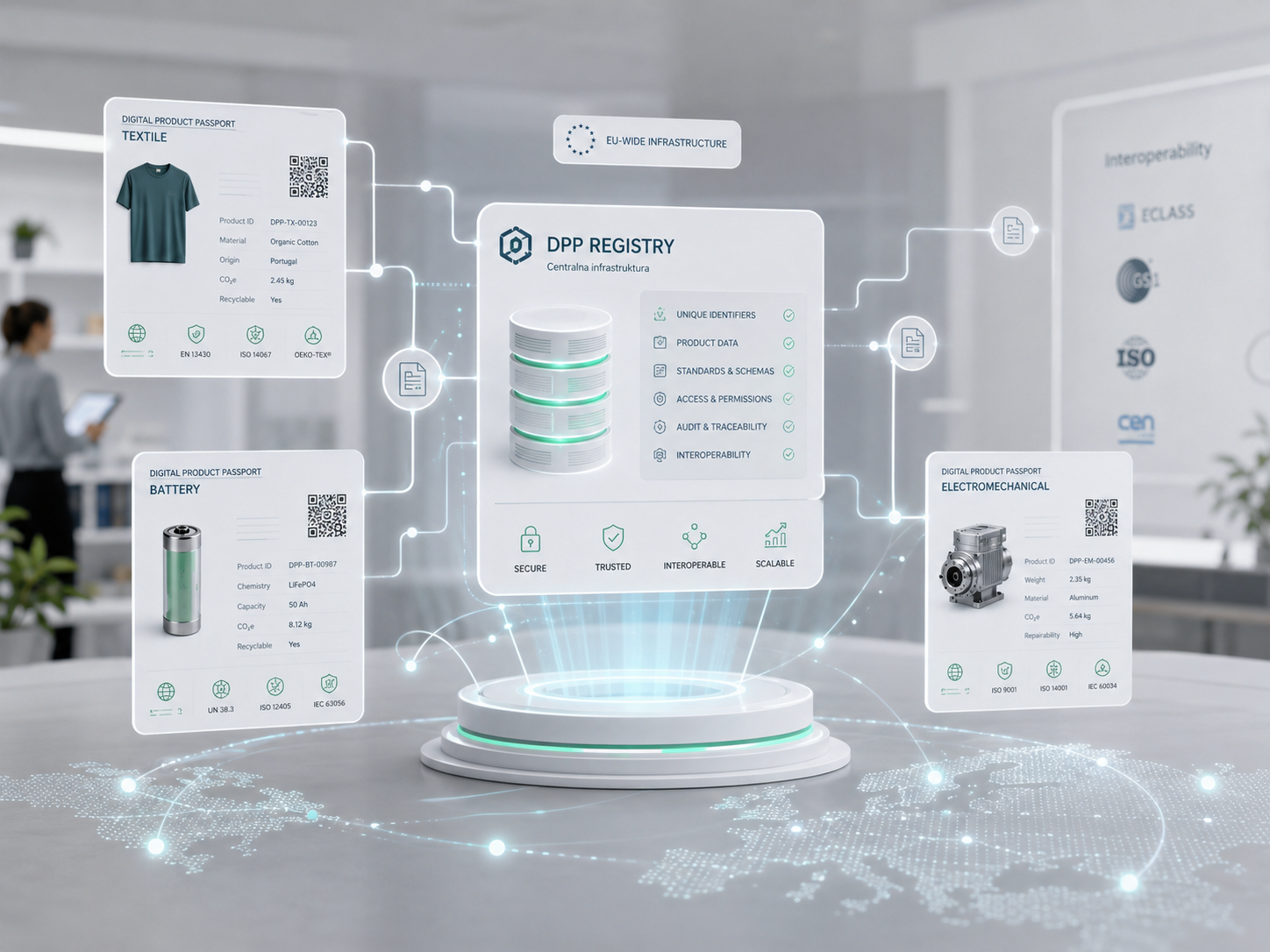
Once the data is prepared, implementing the software solution becomes a quick and straightforward step. The system enables scalable generation and management of digital passports.
4. Product input and management
Products can be entered manually or through bulk upload (e.g. via Excel files or integrations with existing systems), depending on needs and data volume.
5. Team training
To ensure long-term system functionality, it is essential that teams understand how the system works and the importance of accurate data.
How Long Does Implementation Actually Take?
The duration of implementation depends on several key factors:
• number of products
• availability and quality of data
• level of digital maturity of the organisation
• need for integration with existing systems
In practice, companies with structured data can start using a DPP solution very quickly, while more complex systems require additional preparation.
It is important to note that implementation does not have to be a one-time project — it can be carried out gradually, through pilot phases and expansion to additional products and categories.
How to Approach Implementation the Right Way
The biggest mistake companies can make is delaying the start. Although regulations are being introduced gradually, preparing data, processes, and teams takes time.
On the other hand, with the right support and clearly defined steps, implementation can be significantly simpler than expected.
Our approach is based on rapid system deployment, team training, and flexible data input — whether manual or through existing databases — enabling companies to start using the Digital Product Passport very quickly.
Start on Time
The Digital Product Passport is becoming a standard in the European market. Companies that start early will not only avoid regulatory pressure but also gain a competitive advantage.
For collaboration and more information, contact us at: